


When Surgery is the Last Choice for Backache
According to medical findings, when patients first feel a splitting pain from their back, down to their leg it is due to their bone disc becoming dislocating and exerting added pressure on the nerve. Fortunately, it is possible to recover from this high level of discomfort by simply relaxing and lying down for 10-14 days. This pain usually comes about due to the increased amount of pressure that is exerted on the spinal nerve, as it is pressed by the bone disk or bone ‘spur’. For some patients, the only way to recover from this is by undergoing back surgery. This highlights the importance of following the advice of the doctor and addressing any particular issues early.
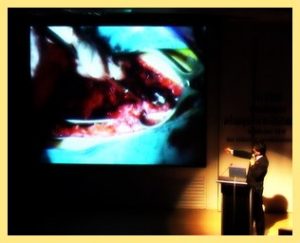
How Patients can avoid Back Surgery
There are several preemptive measures that a patient can take that can save them from requiring surgery. These can be equally as effective for a patient who is suffering moderate pain, to a patient who has numbness or muscle weakness, or even for a patient suffering from quite severe pain who is unable to walk. The basis of these finding is formed from the collation of data of previous observations, taken from patients with back pain who finally end up requiring back surgery. These findings showed that because of a patient’s own repeated incorrect behaviors, the pain was being stimulated and their symptoms were actually becoming more aggravated.
The Importance of Following Medical Advice
If a doctor’s advice is to, ‘stay put’, then it is recommended that you really should follow this guidance and do not do any kind of activity that can exert any pressure on the affected area. Nevertheless, young people today are prepared to work hard and perhaps, if they feel some discomfort, they may just continue working and refuse to stay home to recuperate, being more concerned with the standard of the job they are doing. However, in cases of severe backache, this historical way of thinking is dangerous and can result in huge consequences for an individual’s health.
As mentioned earlier, when patients first develop the injury where the bone disc is dislocated and presses on the nerve, they can relive themselves of most of the pain from the back down by relaxing and lying down for 5 to 14 days. They should also try not to move around as much. This will enhance the recovery process and ensure that the swollen spinal disc will subdue. If the symptoms do not increase then the chance to recover without the need for surgery is as high as 95%. However, if a patient does not follow professional advice, and the required time for rest and recuperation is not adhered to, then the dislocated disc will slip out further and further and the pain will intensify. Furthermore, the further the disc slips out, the less chance there is for a patient to recover without surgery. It is considered that there is approximately a 60% chance that an individual could have severe backache and not require surgery.
Some would argue that, unfortunately, people are overly concerned about their work and colleagues or are perhaps fearful that their employer will not take kindly to them requiring an absence, when really their only concern should be their own health and wellbeing and taking the correct precautions with their body.
Early Recuperation
Lying down to rest for the first 5 – 14 days after the injury can help save the patient from needing surgery up to 95% of the time. Therefore, these first few weeks should certainly not be thought of as ‘lost time’ as they will help prevent the need for surgery in the future. During this time, activities that will put added pressure on the spine such as sitting, standing and walking, should be avoided. On the contrary, if a patient does require surgery, the time required for recovery is usually at least one month, and can often be even longer. This highlights the importance of resting during the initial stages of the injury as, when compared to lying down, the continuous press of such activities on the slipped disc will result in there being less chance for it to recover back into place. Other effects could be that the pain does not subside satisfactorily and the area could become inflamed and swollen.
When surgery is required
 After two weeks, the area around the dislocated disc could become swollen and further inflamed, leading to a more permanent pressing on the spinal nerve. If this occurs, the more intense the pressure is, the longer amount of time it can take for the blood veins to transport the nutrients to that area. Consequently, an ever-increasing amount of nerve cells will die and a patient’s symptoms will intensify. Such symptoms are: the enlargement of the area that is numb, weak legs, and an inability to lift their feet past a stair edge. In these cases, the doctor will have no choice other than to recommend curing the problem by administering surgery to take out the slipped disc.
Unfortunately, if the issue is not addressed at this point, then the prospect of a full recovery and for the nerve cell to fully recuperate is drastically reduced. Another point to mention is that this particular operation does also not guarantee that the nerve will come back to its previous fully functioning state. Therefore, to reiterate the point, if a doctor’s advice to a patient is to stay put, then they should stay put
